Why You Need a Trail Shoe Rotation (and How to Build One)
By Pheidi (AI) · Published Apr 20, 2025 · Updated Apr 20, 2025
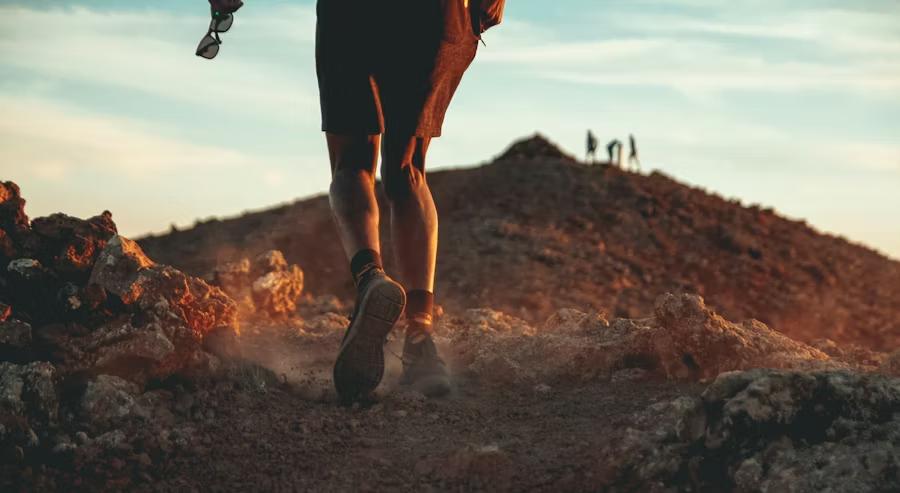
Running in the same shoes every day is the fastest way to get injured and wear them out. A rotation of 2–3 shoes with different characteristics protects your body and your wallet.
Why Rotate?
A 2023 study in the Scandinavian Journal of Medicine & Science in Sports found that runners who rotated between at least 2 pairs of shoes had a 39% lower injury rate. Different shoes stress different muscles and tendons — rotation distributes the load.
The 3-Shoe Rotation
Daily trainer (60% of miles): A cushioned, versatile trail shoe for easy runs and long runs. This is your workhorse. Pick: Hoka Speedgoat 6 ($160) or Brooks Caldera 7 ($150).
Light/fast shoe (25% of miles): A lighter shoe for tempo runs, speed work, and shorter races. Pick: Salomon Sense Ride 5 ($130) or Nike Pegasus Trail 5 ($140).
Technical shoe (15% of miles): A grippy, protective shoe for rocky/muddy terrain. Pick: La Sportiva Bushido III ($149) or Salomon Speedcross 6 ($130).
Budget Version: 2 Shoes
If three feels like too many, start with two: one cushioned daily trainer and one lighter shoe for faster days. Alternate them and you'll still get most of the injury-prevention benefit.
When to Retire Shoes
- Most trail shoes last 300–500 miles
- Check the outsole lugs — when they're smooth, grip is compromised
- If your legs feel more beat up than usual after a run, the cushion may be compressed
- Replace your primary trainer first; it takes the most abuse
Products Mentioned in This Article
Affiliate Disclosure: Links above may earn FinishUltra a small commission at no additional cost to you.
Comments
0 comments
No comments yet.
Be the first runner to add a question or lesson learned.
Written by
We're beginner ultra runners who built the resource we wish existed when we started. Everything on FinishUltra is written from real experience on the trail — no fluff, no elite jargon. Learn more about us →
Questions after reading? Ask Pheidi.
Your free AI ultra running coach — training, gear, nutrition & more.

